
Foot Wound Care in Salt Lake City, Utah
Comprehensive treatment for diabetic foot ulcers, pressure wounds, infected wounds, and non-healing foot sores.
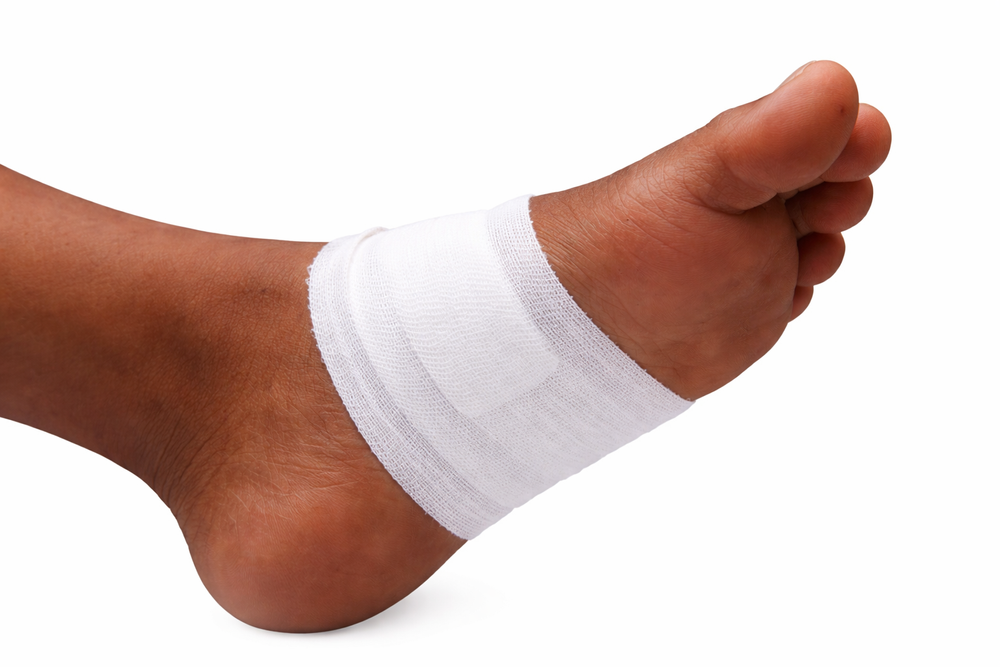
Foot Wound Care in Salt Lake City
At Salt Lake City Podiatry, Dr. Zak Oddone provides comprehensive care for foot wounds and ulcers, with a focus on promoting healing and preventing complications. Foot wounds can become serious if they are not evaluated and treated properly, especially in patients with diabetes, neuropathy, poor circulation, or immune system concerns.
Our goal is to evaluate your wound early, identify the cause, reduce pressure, treat infection when present, and help you heal as quickly and safely as possible. A wound on the foot is different from a simple scrape in another area of the body because every step can add pressure and delay healing.
Common Types of Foot Wounds We Treat
Foot wounds can develop from pressure, injury, infection, surgery, diabetes, shoe irritation, or skin breakdown. Early evaluation is important because small wounds can worsen quickly when pressure, bacteria, or poor healing are present.
Diabetic Foot Ulcers
Open sores commonly caused by pressure, neuropathy, circulation issues, or skin breakdown.
Pressure Wounds
Wounds that develop from repeated pressure, calluses, shoe rubbing, or bony prominences.
Traumatic Wounds
Open wounds from cuts, injuries, punctures, falls, or other trauma.
Infected Wounds
Wounds with redness, swelling, drainage, odor, warmth, pus, or worsening pain.
Abscesses
Localized infections that may require drainage, cleaning, antibiotics, or close monitoring.
Post-Surgical Wounds
Delayed healing or wound concerns after a foot or ankle procedure.
Why Foot Wounds Are Serious
Foot wounds can be difficult to heal because the feet carry body weight, experience friction in shoes, and are exposed to repeated pressure with walking. Patients with diabetes, neuropathy, poor circulation, kidney disease, immune compromise, or a history of wounds are at higher risk for complications.
- Poor circulation can reduce oxygen and nutrients needed for healing.
- Neuropathy can reduce sensation, allowing wounds to worsen without pain.
- Repetitive pressure from walking can keep a wound from closing.
- Infection risk increases when bacteria enter an open area of skin.
- Delayed healing can lead to deeper wounds or more serious complications.
Our Approach to Wound Care
At Salt Lake City Podiatry, we take a comprehensive and personalized approach to wound care. Treatment starts with identifying why the wound developed and what is preventing it from healing. This may include pressure, callus buildup, infection, drainage, circulation concerns, shoe irritation, or continued activity on the wound.
Debridement
Removal of non-viable tissue, callus, or debris when appropriate to support healing.
Advanced Dressings
Dressings selected based on wound depth, drainage level, location, and healing needs.
Infection Management
Evaluation for redness, swelling, drainage, odor, warmth, pus, or spreading infection.
Offloading
Reducing pressure on the wound with padding, shoes, boots, inserts, or activity changes.
Monitoring
Close follow-up to track healing, adjust treatment, and prevent worsening.
Prevention
Identifying pressure points and risk factors to reduce recurrence after healing.
Wound Care for Diabetic Patients
Patients with diabetes are at higher risk for foot wounds and complications. Neuropathy can make it difficult to feel a cut, blister, callus, or pressure spot. Poor circulation and elevated blood sugar can also slow healing and increase the risk of infection.
Early treatment is essential. If you have diabetes and notice a wound, sore, blister, drainage, redness, or skin breakdown, do not wait to see if it improves on its own. Prompt evaluation can help prevent the wound from becoming deeper, infected, or more difficult to heal.
Offloading and Pressure Relief
Reducing pressure on the wound is one of the most important parts of treatment. Even the best dressing may not work well if the wound is repeatedly compressed with every step. Offloading helps protect the area so healthy tissue can form and the wound can close.
- Padding and protective dressings to reduce friction and pressure.
- Surgical shoes or walking boots when more protection is needed.
- Custom or temporary inserts to redistribute pressure.
- Activity modification to avoid worsening the wound.
- Long-term shoe and orthotic recommendations to help prevent recurrence.
Signs of a Foot Wound Infection
Infection can slow healing and increase the risk of serious complications. Some infections are obvious, while others may be subtle, especially in patients with diabetes or neuropathy. Wounds should be monitored closely for changes in appearance, drainage, odor, pain, and surrounding skin.
- Increasing redness, swelling, or warmth around the wound.
- Drainage, pus, bleeding, or foul odor.
- Increasing pain or tenderness.
- Red streaking, fever, chills, or feeling sick.
- A wound that is getting larger, deeper, or darker.
When to Seek Immediate Care
You should seek evaluation as soon as possible if you notice:
- A wound that is not healing.
- Redness, swelling, warmth, drainage, or foul odor.
- Increasing pain or spreading redness.
- Fever, chills, or signs of infection.
- A diabetic foot wound, blister, cut, or sore.
- A black, blue, or discolored area of skin near the wound.
Related Conditions We Treat
Foot wounds are often associated with other conditions, including diabetic foot problems, ingrown toenails, infections, calluses, corns, hammertoes, bunions, and heel pressure. Treating the underlying cause helps improve healing and prevent recurrence.
You may also be interested in our pages on diabetic foot care, ingrown toenail treatment, hammertoe treatment, custom orthotics, and conditions we treat.
Why Choose Salt Lake City Podiatry?
- Same-day and urgent appointments available.
- Located in the St. Mark’s Medical Building in Salt Lake City.
- Experienced care for diabetic and complex foot wounds.
- Focus on prevention, healing, and long-term outcomes.
- Accepting Medicare and most commercial insurance plans.
Frequently Asked Questions
Schedule Foot Wound Care
If you have a foot wound or ulcer in Salt Lake City, Salt Lake City Podiatry is here to help. Early treatment is critical to healing and preventing complications.