
Ingrown Toenail Treatment in Salt Lake City
Fast relief for painful ingrown toenails, infections, and recurring nail problems. Same-day and same-week appointments available.
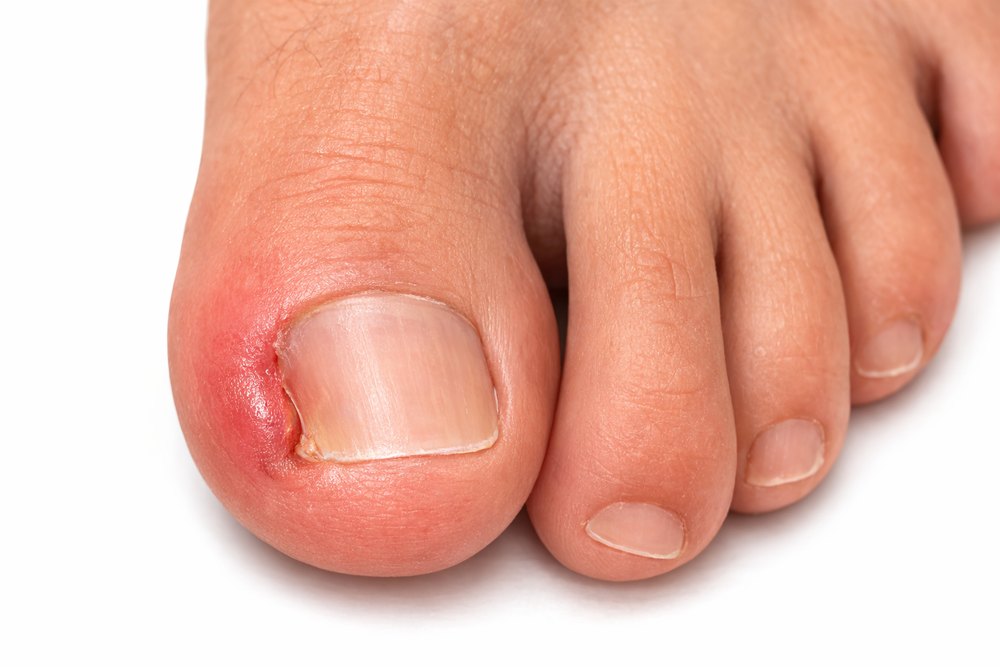
Ingrown Toenails
Ingrown toenails are a common and painful condition that can make walking, wearing shoes, exercising, and daily activities uncomfortable. At Salt Lake City Podiatry, Dr. Zak Oddone provides effective treatment for ingrown toenails, including both temporary relief and long-term solutions to prevent recurrence.
Whether your toenail is mildly irritated, severely painful, infected, or keeps coming back, we can help relieve your pain and get you back to normal activity quickly. Ingrown toenails most commonly affect the big toe, but they can occur on other toes as well. Early treatment usually leads to faster relief and helps prevent worsening infection.
What Is an Ingrown Toenail?
An ingrown toenail occurs when the edge or corner of the nail grows into the surrounding skin instead of growing straight outward. This can irritate the skin, create pressure, and allow bacteria to enter the area. Over time, the toe may become increasingly painful, red, swollen, or infected.
Pain and Tenderness
Pain is often worse with shoe pressure, walking, or direct pressure along the nail border.
Redness and Swelling
The skin around the nail may become inflamed, irritated, or enlarged.
Drainage or Infection
Some ingrown toenails develop drainage, pus, bleeding, or worsening redness.
Common Causes of Ingrown Toenails
Identifying the cause can help prevent the problem from coming back.
- Improper nail trimming — cutting nails too short or rounding the corners can encourage the nail edge to grow into the skin.
- Tight or narrow shoes — shoes that squeeze the toes can push the nail into the surrounding skin.
- Toe injury — stubbing the toe, dropping something on it, or repetitive pressure can trigger nail problems.
- Genetics — some people naturally have curved or wide toenails that are more likely to become ingrown.
- Repetitive activity — running, hiking, sports, and prolonged standing can increase pressure on the toenails.
Ingrown Toenail Treatment Options
Treatment depends on the severity of the ingrown toenail, whether infection is present, and whether the problem is new or recurrent. Our goal is to relieve pain, remove the ingrown portion safely, and reduce the chance of recurrence.
Conservative Treatment
Mild cases may improve with pressure reduction, careful trimming of the painful nail edge, shoe changes, and guidance on proper nail care.
Temporary Nail Removal
For painful ingrown toenails, the ingrown border can be removed in-office to provide fast relief while preserving the rest of the nail.
Permanent Procedure
For recurrent or severe cases, a partial nail procedure with chemical matrixectomy can prevent the ingrown portion from growing back.
Permanent Ingrown Toenail Removal
If an ingrown toenail keeps returning, a permanent procedure may be the best option. During this in-office procedure, the painful edge of the nail is removed and the nail root in that specific area is treated to reduce the chance of regrowth. The goal is to keep the rest of the nail intact while preventing the problem border from coming back.
This procedure is commonly performed in the office, typically provides long-term relief, and is often a good option for patients who have had repeated infections, repeated pain, or difficulty trimming the nail safely. We review the procedure, aftercare instructions, risks, and expected healing before treatment.
Ingrown Toenail Infection Treatment
If your toenail is infected, you may notice increased redness, swelling, drainage, pus, warmth, bleeding, or pain that is worsening. In many cases, the key step is removing the ingrown portion of the nail so the skin can heal.
Treatment may include removing the ingrown nail border, cleaning the affected area, providing wound care instructions, and prescribing antibiotics when necessary. Prompt treatment helps prevent infection from spreading. In more severe cases, additional wound care may be required to promote healing and prevent complications.
Ingrown Toenails and Diabetes
If you have diabetes, an ingrown toenail should be evaluated promptly. Even minor nail problems can become more serious if there is neuropathy, poor circulation, reduced immune response, or an open wound. Do not try to dig out an infected ingrown toenail at home if you have diabetes.
Preventing Ingrown Toenails
- Trim toenails straight across instead of rounding the corners.
- Avoid cutting nails too short.
- Wear shoes with enough room in the toe box.
- Avoid repeated trauma or pressure to the toes.
- Consider a permanent procedure if the same nail border keeps becoming ingrown.
Related Conditions We Treat
Ingrown toenails can sometimes occur alongside other foot problems such as infections, toenail fungus, diabetic foot concerns, wounds, or pressure-related pain. Addressing all contributing factors helps improve outcomes and prevent recurrence.
You may also be interested in our pages on toenail fungus treatment, wound care, diabetic foot care, and conditions we treat.
Why Choose Salt Lake City Podiatry?
- Same-day and same-week appointments available.
- Located in the St. Mark’s Medical Building in Salt Lake City.
- In-office procedures with long-term solutions.
- Experienced treatment for infections and recurrent ingrown nails.
- Accepting Medicare and most commercial insurance plans.
Frequently Asked Questions
Schedule Ingrown Toenail Treatment
If you are dealing with an ingrown toenail in Salt Lake City, Salt Lake City Podiatry provides fast, effective treatment with long-term solutions when needed.