
Hammertoe Treatment in Salt Lake City, Utah
Relief for painful crooked toes, shoe pressure, corns, calluses, and toe deformities with conservative and surgical treatment options.
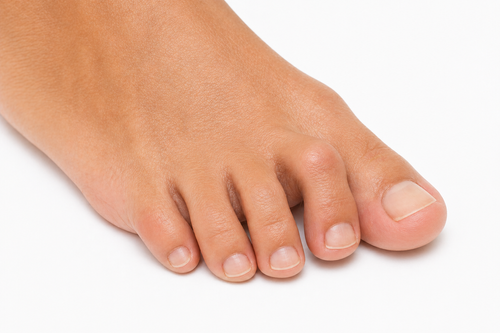
Hammertoe Treatment in Salt Lake City
Hammertoes can cause toe pain, rubbing in shoes, corns, calluses, irritation on the top or tip of the toe, and difficulty walking comfortably. At Salt Lake City Podiatry, Dr. Zak Oddone provides both conservative and surgical treatment options for hammertoes to help relieve pain, reduce pressure, and improve function.
Whether your hammertoe is flexible, rigid, mild, worsening, or already causing painful skin problems, early evaluation can help prevent progression and reduce pressure-related complications. Treatment is based on your symptoms, foot structure, shoe needs, activity level, and whether there are related conditions such as bunions, diabetes, corns, calluses, or wounds.
What Is a Hammertoe?
A hammertoe occurs when one or more toes bend abnormally at the middle joint, causing the toe to curl downward instead of lying flat. This can make the toe rub against the inside of shoes, press into the ground, or create painful pressure points on the top, end, or side of the toe.
Hammertoes may begin as flexible deformities that can still be manually straightened. Over time, the toe can become more rigid as tendons tighten and joints stiffen. Once a hammertoe becomes rigid, conservative care may still reduce pain, but surgical correction may be needed if symptoms remain severe.
Common Symptoms of Hammertoes
You may benefit from an evaluation if you notice:
- Pain when wearing shoes.
- Corns, calluses, or thickened skin on the toes.
- Pressure on the top, tip, or bottom of the toe.
- Redness, irritation, or rubbing from shoe pressure.
- Difficulty walking comfortably or fitting into shoes.
- Toe stiffness, worsening deformity, or toes that no longer straighten easily.
- Skin breakdown, wounds, or ulceration over pressure areas.
Common Causes of Hammertoes
Hammertoes often develop gradually from a combination of foot structure, muscle imbalance, shoe pressure, and related deformities. Identifying the contributing cause helps guide treatment and reduce recurrence.
Poor Shoe Fit
Tight or narrow shoes can crowd the toes and increase rubbing or bending.
Muscle Imbalance
Imbalance between tendons and muscles can pull the toe into a bent position.
Bunion Deformity
A bunion can crowd the lesser toes and contribute to hammertoe formation.
Arthritis
Joint stiffness and inflammation may contribute to toe deformity and pain.
Foot Structure
Flat feet, high arches, long toes, or abnormal mechanics can increase risk.
Diabetes
Diabetes-related nerve and pressure changes may increase the risk of skin problems.
Flexible and Rigid Hammertoes
A flexible hammertoe can still be straightened manually. These deformities often respond better to conservative treatment such as padding, shoe changes, toe sleeves, crest pads, and orthotics. Addressing the problem early may help reduce pain and prevent worsening pressure.
A rigid hammertoe is stiff and difficult or impossible to straighten manually. Rigid hammertoes are more likely to cause shoe irritation, painful corns, calluses, and pressure on the tip of the toe. If conservative treatment does not provide enough relief, surgery may be discussed.
Conservative Hammertoe Treatment
Many hammertoes can be treated without surgery, especially when symptoms are caused by shoe pressure or flexible toe deformity. Conservative treatment is focused on reducing rubbing, decreasing pressure, improving shoe fit, and protecting the skin.
Shoe Modifications
A deeper or wider toe box can reduce pressure over the bent toe.
Padding & Offloading
Pads can protect painful areas and reduce rubbing in shoes.
Toe Sleeves
Silicone sleeves may reduce friction and protect irritated skin.
Crest Pads
Crest pads can help support the toes and reduce pressure at the tips.
Orthotics
Custom or non-custom orthotics may improve mechanics and reduce forefoot overload.
Callus Care
Reducing painful corns and calluses can improve comfort and shoe tolerance.
When Hammertoe Surgery May Be Needed
If conservative treatment fails or the toe becomes rigid and painful, surgery may be recommended. Surgery is generally considered when hammertoes cause ongoing pain, difficulty wearing shoes, recurrent corns, wounds, or functional limitation despite appropriate non-surgical care.
Surgical treatment may include tendon procedures, arthroplasty, arthrodesis, or correction of associated deformities such as bunions or overlapping toes. The best option depends on the flexibility of the toe, joint condition, X-ray findings, skin health, activity goals, and overall medical history.
Hammertoes in Diabetic Patients
For patients with diabetes, hammertoes can increase pressure points and lead to corns, calluses, ulcers, and infections. Neuropathy can make this more concerning because patients may not feel rubbing, pressure, or skin breakdown until the problem becomes more serious.
Early treatment can help reduce complications and prevent skin breakdown. Diabetic patients should avoid cutting corns or digging at calluses at home, especially if there is numbness, poor circulation, or a history of wounds.
When to See a Podiatrist for Hammertoes
Schedule an evaluation if:
- Your toes are becoming more crooked or rigid.
- You have painful corns, calluses, or rubbing in shoes.
- You struggle to find comfortable shoes.
- You develop skin irritation, wounds, drainage, or redness.
- Conservative treatment is not helping.
- You have diabetes and notice new toe pressure or skin changes.
Related Conditions We Treat
Hammertoes can occur with bunions, neuromas, calluses, corns, wounds, diabetic foot problems, and pain in the ball of the foot. Treating related pressure points and structural issues can improve comfort and reduce recurrent irritation.
You may also be interested in our pages on bunion treatment, neuroma treatment, diabetic foot care, wound care, and conditions we treat.
Why Choose Salt Lake City Podiatry?
- Same-day and same-week appointments available.
- Located in the St. Mark’s Medical Building in Salt Lake City.
- Conservative and surgical treatment options.
- Experienced diabetic foot care and wound prevention.
- Accepting Medicare and most commercial insurance plans.
Frequently Asked Questions
Schedule Hammertoe Treatment
If you are dealing with painful hammertoes in Salt Lake City, Salt Lake City Podiatry can help you understand your options and reduce pressure-related pain.