
Toenail Fungus Treatment in Salt Lake City, Utah
Treatment for thick, discolored, brittle, painful, or fungal toenails with personalized options based on your goals and medical needs.
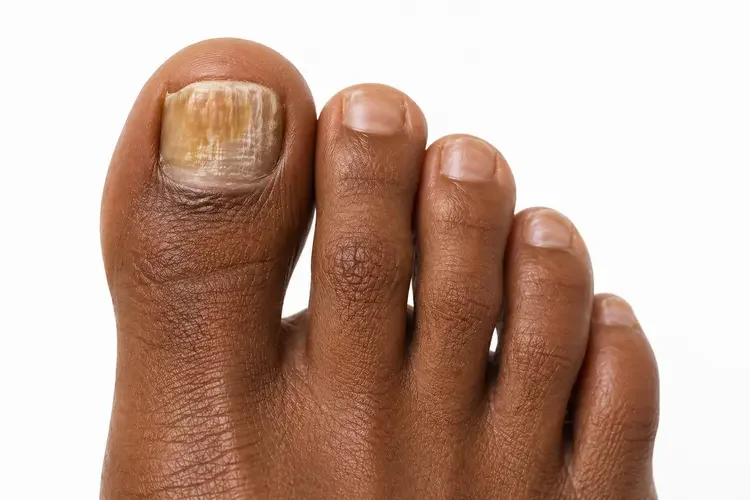
Toenail Fungus Treatment in Salt Lake City
Toenail fungus is a common condition that can cause thickened, discolored, brittle, crumbly, or misshapen toenails. At Salt Lake City Podiatry, Dr. Zak Oddone provides treatment options designed to improve nail health, reduce discomfort, and address the underlying fungal infection when appropriate.
Whether your condition is mild or more advanced, we can help you choose the best treatment based on your goals, nail appearance, medical history, activity level, and risk factors. Some patients mainly want cosmetic improvement, while others have pain, pressure in shoes, difficulty trimming nails, or medical concerns such as diabetes or poor circulation.
What Is Toenail Fungus?
Toenail fungus, also called onychomycosis, is a fungal infection that affects the nail plate, nail bed, and sometimes the surrounding skin. It often develops gradually and may involve one toenail or multiple toenails. The infection can make the nail thicker, harder to trim, more brittle, and more likely to lift or separate from the nail bed.
Because toenails grow slowly, fungal nail infections can take time to improve even with treatment. Early evaluation helps determine whether the nail changes are truly fungal or due to trauma, psoriasis, aging, circulation problems, shoe pressure, or another nail condition.
Common Signs of Toenail Fungus
Toenail fungus can look different from person to person. Common signs include:
- Thickened toenails that are difficult to trim.
- Yellow, white, brown, or cloudy nail discoloration.
- Brittle, crumbly, or flaky nail edges.
- Nail separation from the nail bed.
- Changes in nail shape, texture, or growth pattern.
- Pain or pressure when wearing shoes.
What Causes Toenail Fungus?
Toenail fungus can develop when fungal organisms enter the nail through small cracks, trauma, or areas of separation. Warm and moist environments make fungus more likely to persist, especially when feet spend long hours in closed shoes.
Warm, Moist Environments
Shoes, gyms, locker rooms, pools, and sweaty socks can contribute to fungal growth.
Nail Trauma
Repeated shoe pressure, sports activity, or prior nail injury can make nails more vulnerable.
Poor Circulation
Reduced blood flow can affect nail health and make infections harder to clear.
Medical Risk Factors
Diabetes, immune system changes, and some skin conditions can increase risk.
Toenail Fungus Treatment Options
Treatment depends on the severity of the infection, how many nails are involved, nail thickness, medical history, medication safety, and patient preference. Some patients benefit from conservative nail care and topical treatment, while others may be candidates for oral medication or combination therapy.
Topical Treatments
Topical antifungal medications are applied directly to the nail. They are usually best for mild cases and require consistent use over time.
Oral Medications
Oral antifungal medication may be more effective for moderate to severe infections. Medical history and medication safety are reviewed before prescribing.
Nail Debridement
Trimming and thinning thickened nails can reduce pressure, improve comfort, and help other treatments reach the affected nail more effectively.
Nail Debridement for Thick Toenails
Thick fungal toenails can become painful in shoes and difficult to trim safely at home. Nail debridement reduces nail thickness and length, decreases pressure against shoes, and can make walking more comfortable. For some patients, routine debridement is an important part of maintaining foot comfort and preventing skin irritation.
Debridement does not always cure the underlying fungus by itself, but it can be helpful as part of a larger treatment plan. It may also improve the effectiveness of topical medication by reducing the amount of thickened nail that medication must penetrate.
Toenail Fungus and Diabetes
Patients with diabetes are at increased risk for complications from thickened nails, fungal infections, pressure areas, and skin breakdown. A thick fungal toenail can press into nearby skin or shoes, potentially leading to irritation, wounds, or infection.
If you have diabetes, neuropathy, poor circulation, or a history of wounds, it is important to have toenail fungus and thick nails evaluated rather than trying to aggressively trim or dig at the nails at home.
Preventing Toenail Fungus
Fungal infections can return after treatment, so prevention is an important part of long-term nail health. Small daily habits can reduce moisture, limit exposure, and protect the toenails from trauma.
- Keep feet clean and dry.
- Change socks regularly, especially after sweating.
- Wear breathable footwear and rotate shoes when possible.
- Avoid walking barefoot in public gyms, locker rooms, and pool areas.
- Trim nails properly and avoid repeated nail trauma.
- Treat athlete’s foot promptly, as fungus can spread to the toenails.
Related Conditions We Treat
Toenail fungus may occur alongside other foot conditions, including ingrown toenails, calluses, corns, athlete’s foot, diabetic foot concerns, and skin infections. Addressing related problems can improve comfort and reduce the chance of recurrence.
You may also be interested in our pages on ingrown toenail treatment, diabetic foot care, wound care, and conditions we treat.
When to See a Podiatrist
You should schedule an evaluation if:
- Nail changes are worsening or spreading to other nails.
- Nails become painful, thickened, loose, or difficult to trim.
- Over-the-counter treatments are not working.
- You have diabetes, poor circulation, neuropathy, or immune system concerns.
- You are unsure whether the nail problem is fungus, trauma, or another nail condition.
Why Choose Salt Lake City Podiatry?
- Same-day and same-week appointments available.
- Located in the St. Mark’s Medical Building in Salt Lake City.
- Personalized treatment based on severity, medical history, and goals.
- Routine care and advanced treatment options available.
- Accepting Medicare and most commercial insurance plans.
Frequently Asked Questions
Schedule Toenail Fungus Treatment
If you are dealing with toenail fungus in Salt Lake City, Salt Lake City Podiatry can help you choose a treatment plan to improve nail health and appearance.