
Bunion Treatment in Salt Lake City, Utah
Relief for painful bunions, big toe joint irritation, shoe pressure, and walking discomfort with conservative and surgical options when needed.
Relief for Painful Bunions Without Guesswork
Bunions can make everyday shoes uncomfortable and walking painful. At Salt Lake City Podiatry, Dr. Zak Oddone treats bunion pain with a practical approach focused on reducing pain, improving shoe comfort, and helping you stay active. Whether your bunion is mild, worsening, or already limiting daily activities, we can evaluate your foot and discuss the best treatment options for your lifestyle.
Not every bunion needs surgery. Many patients can manage symptoms with shoe changes, padding, orthotics, activity modification, and other conservative treatments. When pain continues despite appropriate conservative care, surgical correction may be discussed. Our goal is to help you understand what is causing your pain and what options make sense for your specific foot structure and goals.
What Is a Bunion?
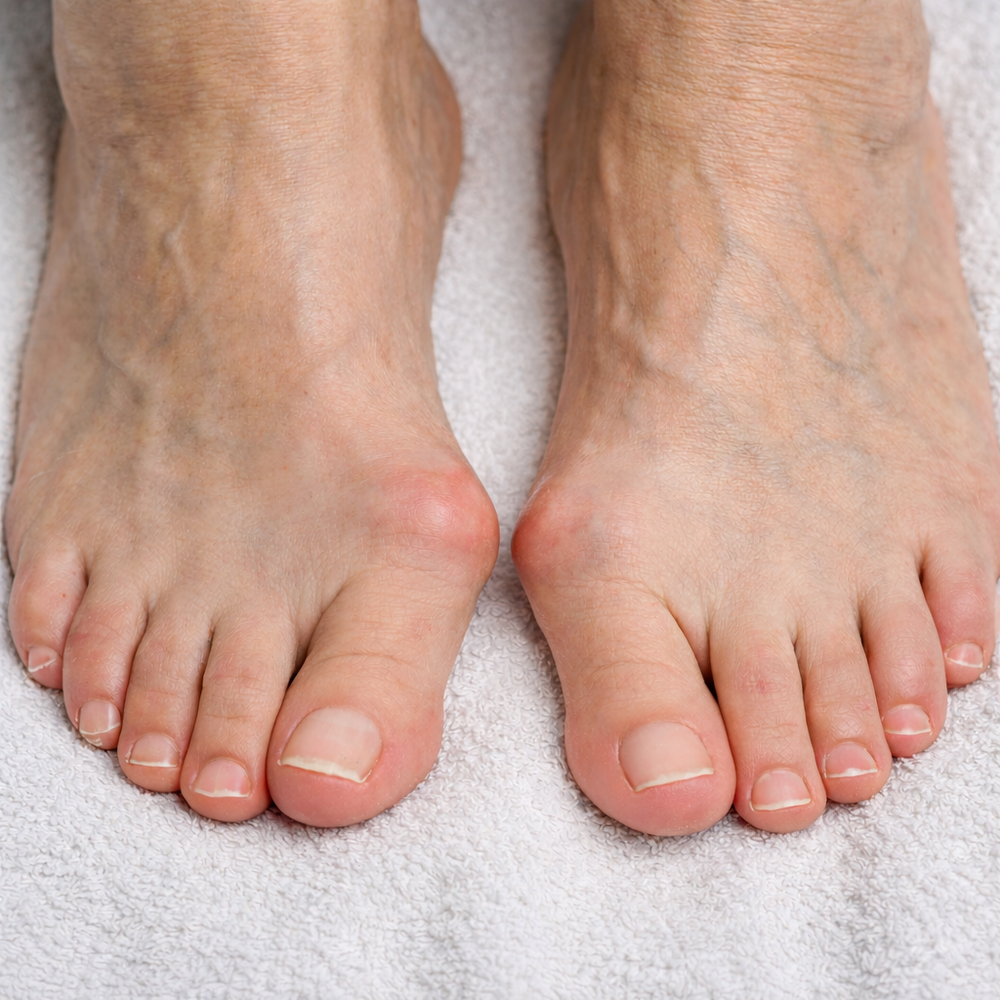
A bunion is a bony bump that forms near the base of the big toe joint. Over time, the big toe may drift toward the second toe while the first metatarsal shifts in the opposite direction. This change can create a visible bump, joint irritation, swelling, shoe pressure, and pain with walking or standing.
Bunions are often related to inherited foot structure, abnormal mechanics, arthritis, shoe pressure, ligament imbalance, or gradual changes in the alignment of the big toe joint. Some bunions remain mild for years, while others gradually worsen and begin to affect shoe fit, activity, and daily comfort.
Common Symptoms of Bunions
You may benefit from an evaluation if you notice:
- Pain near the big toe joint.
- A visible bump on the side of the foot.
- Redness or irritation from shoe pressure.
- Swelling around the big toe joint.
- Difficulty wearing certain shoes.
- Stiffness or limited motion in the big toe.
- Corns, calluses, or pressure between the toes.
- Pain that worsens with walking, standing, or activity.
What Causes Bunions?
Bunions usually develop over time. They are not simply caused by one pair of shoes, although tight or narrow shoes can make symptoms worse. Foot structure and mechanics often play a major role.
Genetics
Many patients inherit a foot type that makes bunions more likely to develop.
Foot Mechanics
Flat feet, instability, or abnormal pressure through the forefoot can contribute.
Shoe Pressure
Narrow shoes can irritate the bunion and increase pain, redness, and swelling.
Arthritis
Joint wear, stiffness, or inflammation can worsen big toe joint discomfort.
How We Evaluate Bunions
A bunion evaluation begins with a discussion of your symptoms, shoe limitations, activity level, and goals. We examine the big toe joint, foot alignment, range of motion, areas of pressure, calluses, and whether the deformity is flexible or rigid.
When necessary, in-office digital X-rays can be performed to evaluate the alignment of the bones, joint position, arthritis, and severity of the bunion. X-rays help determine whether symptoms are likely to improve with conservative care or whether surgical options may be appropriate.
Bunion Treatment Options
Treatment depends on your symptoms, foot structure, activity level, shoe needs, and how much the bunion is affecting your daily life. Conservative treatment is often the first step, especially when pain is mild or mostly related to shoe pressure.
Wider Shoes
Shoes with a wider toe box can reduce pressure over the bunion and improve comfort.
Padding
Bunion pads or toe spacers may reduce rubbing and irritation in certain shoes.
Orthotics
Custom or over-the-counter orthotics may improve mechanics and reduce stress on the forefoot.
Anti-Inflammatory Care
Medication or other inflammation-reducing strategies may help painful joint irritation.
Activity Modification
Temporary changes can reduce painful stress during flare-ups.
Surgical Correction
Surgery may be discussed when pain, shoe irritation, or joint problems interfere with function.
Can Bunions Be Treated Without Surgery?
Yes. Conservative treatment cannot always make the bunion bump disappear, but it can often reduce pain, improve shoe comfort, and slow irritation. Many patients are able to manage symptoms for a long time without surgery by choosing better shoes, reducing pressure, using pads or spacers, and supporting the foot with appropriate inserts or orthotics.
The best non-surgical plan depends on where your pain is coming from. Some patients have pain from shoe rubbing over the bump, while others have joint pain, arthritis, limited motion, or pressure under the ball of the foot. Identifying the source of pain helps guide treatment.
When Is Bunion Surgery Considered?
Surgery is not recommended just because a bunion is visible. It is considered when pain, shoe irritation, joint problems, or walking limitations interfere with function and conservative treatment has not provided enough relief. The type of bunion procedure depends on your foot structure, X-ray findings, joint condition, activity goals, and overall health.
If surgery is appropriate, Dr. Oddone will review the expected recovery, risks, benefits, alternatives, and realistic goals. The goal of bunion surgery is to improve alignment and reduce pain so you can return to more comfortable walking and shoe wear.
When Should You See a Podiatrist?
You should schedule an appointment if your bunion is:
- Painful with walking, standing, or daily activity.
- Worsening or becoming more noticeable over time.
- Rubbing in shoes or causing redness and irritation.
- Making it difficult to find comfortable shoes.
- Causing calluses, corns, toe crowding, or second toe pressure.
- Associated with stiffness, arthritis, or limited motion in the big toe joint.
Bunion Care in Salt Lake City
Salt Lake City Podiatry provides bunion evaluation and treatment for patients throughout Salt Lake City, Millcreek, Holladay, Sugar House, Murray, South Salt Lake, and surrounding areas. Our office is located in the St. Mark’s Hospital Central Medical Building, making foot and ankle care convenient for patients across the Salt Lake Valley.
We focus on practical care that matches your symptoms and goals. Some patients want to continue hiking, running, or exercising with less pain. Others simply want to wear everyday shoes comfortably. Your treatment plan should reflect what matters most to you.
Related Conditions We Treat
Bunions can occur alongside other forefoot problems, including hammertoes, neuromas, calluses, corns, arthritis, and pain in the ball of the foot. Treating related pressure points can improve comfort and help reduce recurring irritation.
You may also be interested in our pages on hammertoe treatment, neuroma treatment, custom orthotics, and conditions we treat.
Why Choose Salt Lake City Podiatry?
- Same-day and same-week appointments available.
- Located in the St. Mark’s Medical Building in Salt Lake City.
- Conservative and surgical treatment options.
- Digital foot and ankle X-rays available in office.
- Accepting Medicare and most commercial insurance plans.
Frequently Asked Questions
Schedule Bunion Treatment
If you are dealing with bunion pain, shoe irritation, or difficulty walking comfortably, Salt Lake City Podiatry can help you understand your options.