
Foot & Ankle Sports Injury Treatment in Salt Lake City, Utah
Care for running injuries, ankle sprains, tendon pain, stress fractures, plantar fasciitis, and activity-related foot and ankle problems.
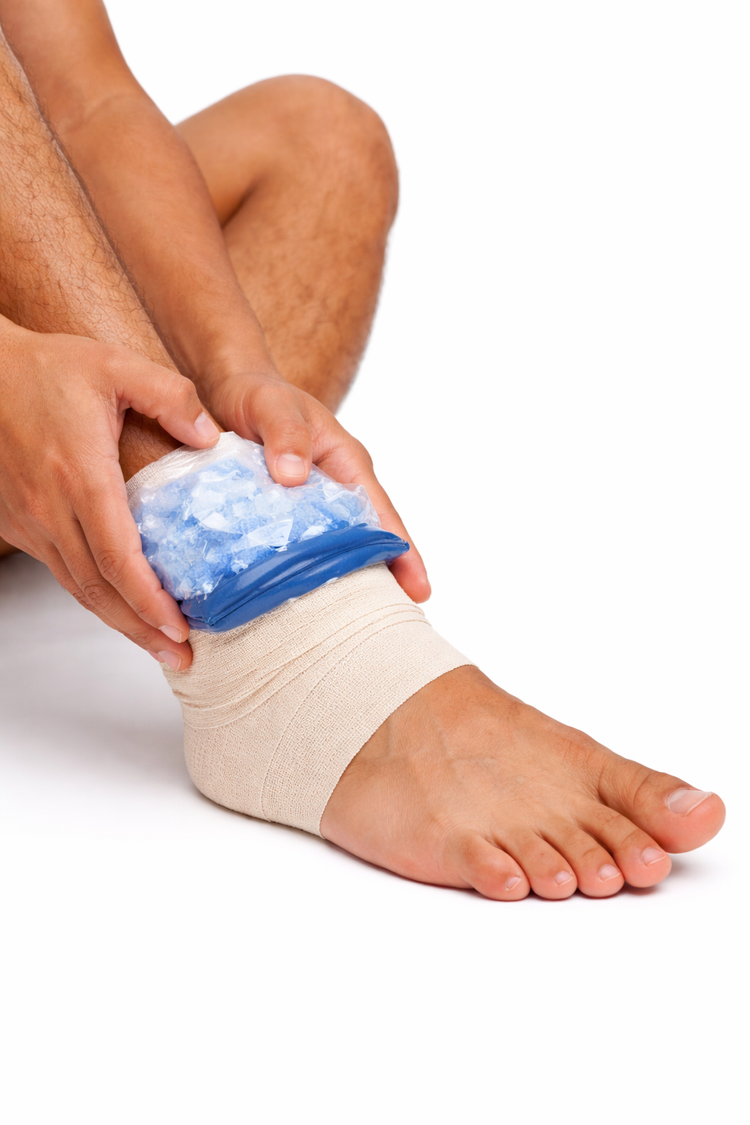
Sports Injury Care for Active Feet and Ankles
Foot and ankle injuries are common in athletes, runners, walkers, hikers, active adults, and people who suddenly increase activity. Whether from running, jumping, twisting, training changes, or repetitive stress, injuries can affect performance, work, exercise, and daily function.
At Salt Lake City Podiatry, Dr. Zak Oddone evaluates and treats sports-related foot and ankle injuries with a focus on accurate diagnosis, safe recovery, and return to activity. Treatment is personalized based on your injury, activity goals, exam findings, and how quickly you need to return to work, sports, or exercise.
Common Sports Injuries We Treat
Sports injuries can involve bones, joints, tendons, ligaments, nerves, or soft tissue. Some injuries happen suddenly, while others develop gradually from overuse.
Ankle Sprains
Ligament injuries caused by rolling, twisting, or turning the ankle.
Achilles Tendinitis
Back-of-heel tendon pain often related to overuse, tight calves, or training changes.
Plantar Fasciitis
Heel pain that can develop from running, standing, hard surfaces, or poor support.
Stress Fractures
Small bone injuries caused by repetitive impact, mileage increases, or overtraining.
Tendon Injuries
Pain involving the Achilles, peroneal, posterior tibial, or other foot and ankle tendons.
Forefoot Pain
Ball-of-foot pain, neuroma symptoms, capsulitis, or overload from activity.
Running, Hiking, and Overuse Injuries
Many sports injuries are not caused by one specific accident. They develop gradually when the foot or ankle is overloaded faster than the body can adapt. This is common in runners, hikers, court-sport athletes, gym training, and people returning to activity after time off.
Common risk factors include sudden mileage increases, worn-out shoes, training on hard surfaces, tight calf muscles, flat feet, high arches, inadequate recovery, and poor mechanics. Early evaluation can prevent a mild overuse injury from becoming a more stubborn condition.
Ankle Sprains and Instability
Ankle sprains are one of the most common sports injuries. They usually occur when the ankle rolls or twists, stretching or tearing the ligaments that support the joint. Symptoms may include swelling, bruising, pain with walking, tenderness, stiffness, and instability.
Even if a sprain seems minor, it is important to make sure there is no fracture, tendon injury, cartilage injury, or significant ligament damage. Untreated sprains can lead to chronic instability, repeated injuries, and long-term pain.
Sports Injury Treatment Options
Treatment depends on the type and severity of injury, how long symptoms have been present, your activity goals, and whether imaging is needed. The goal is not just pain relief, but safe return to activity while reducing the risk of reinjury.
Activity Modification
Temporary changes can reduce stress while the injury heals.
Physical Therapy
Rehabilitation can restore strength, balance, motion, and safe return to activity.
Bracing
Ankle braces and supports can protect injured ligaments or tendons.
Immobilization
A walking boot may be needed for fractures, severe sprains, or tendon injuries.
Orthotics
Custom or non-custom inserts can improve mechanics and reduce overload.
Anti-Inflammatory Care
Medication or other strategies may help reduce painful inflammation.
In-Office Digital X-Rays When Needed
When necessary, in-office digital X-rays can be performed to help diagnose injuries and guide treatment. X-rays can help evaluate fractures, alignment, arthritis, bone spurs, and other bone-related causes of pain.
Some injuries, including stress fractures, tendon injuries, cartilage problems, and ligament injuries, may require additional imaging if symptoms persist or if the diagnosis is unclear. Getting the correct diagnosis early helps prevent delayed healing and unnecessary time away from activity.
When to Seek Care
You should see a podiatrist if:
- Pain persists after activity or does not improve with rest.
- Swelling, bruising, or instability is present.
- You are unable to return to normal activity.
- You have pain every time you run, hike, or exercise.
- You cannot bear weight or suspect a fracture.
- Your ankle feels weak, unstable, or keeps giving out.
Preventing Repeat Sports Injuries
Preventing reinjury is an important part of sports medicine. Once pain improves, it is important to restore strength, flexibility, balance, proper footwear, and gradual progression back to activity. Returning too quickly can increase the risk of a setback.
We may recommend shoe changes, orthotics, stretching, strengthening, activity modification, bracing, or physical therapy depending on the injury. The goal is to treat the current problem and reduce the chance that it returns.
Related Conditions We Treat
Sports injuries often overlap with heel pain, Achilles tendinitis, ankle sprains, stress fractures, neuromas, flat feet, and overuse conditions. Treating the underlying cause can improve recovery and reduce future injury risk.
You may also be interested in our pages on Achilles tendinitis treatment, heel pain treatment, ankle pain treatment, custom orthotics, and conditions we treat.
Why Choose Salt Lake City Podiatry?
- Same-day and same-week appointments available.
- Located in the St. Mark’s Medical Building in Salt Lake City.
- Sports injury evaluation and treatment for active patients.
- Digital foot and ankle X-rays available in office.
- Accepting Medicare and most commercial insurance plans.
Frequently Asked Questions
Schedule Sports Injury Treatment
If you are dealing with foot or ankle pain from sports, exercise, running, or activity, Salt Lake City Podiatry can help you recover safely.