
Achilles Tendinitis Treatment in Salt Lake City, Utah
Evaluation and treatment for back of heel pain, Achilles tendon irritation, overuse injuries, and activity-related tendon pain.
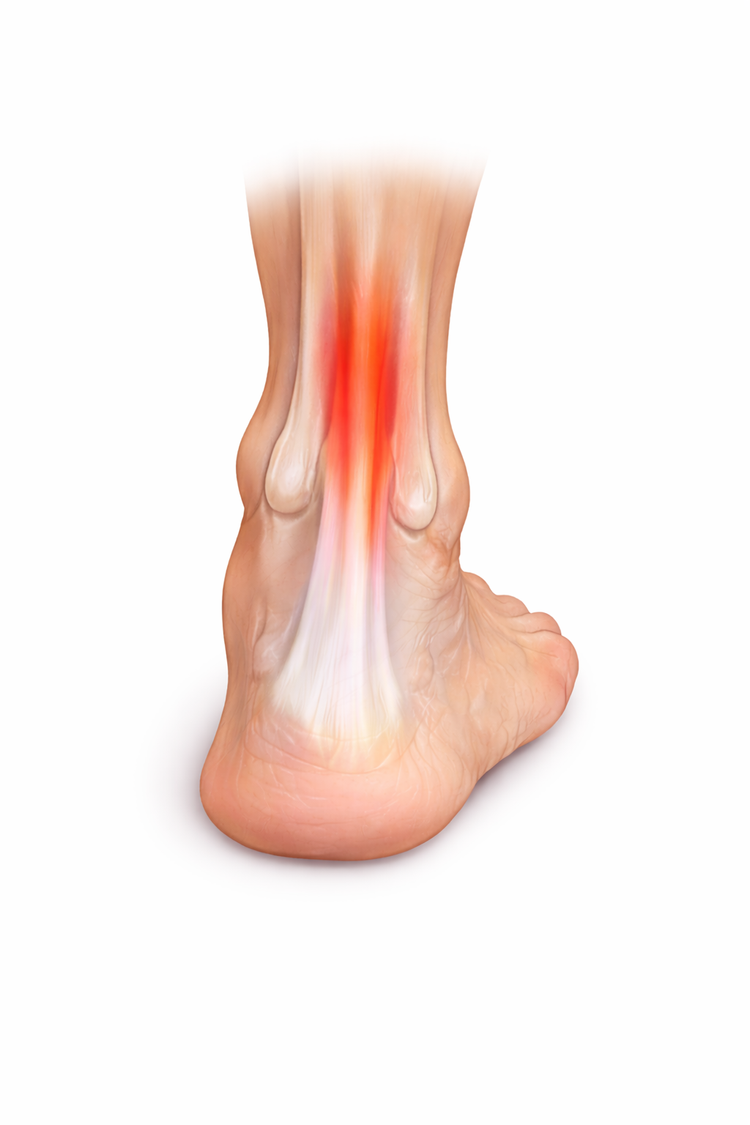
Achilles Tendinitis Treatment in Salt Lake City
Achilles tendinitis is a common overuse injury affecting the tendon that connects the calf muscles to the heel bone. It is frequently seen in runners, athletes, walkers, active adults, and individuals who increase their activity level too quickly. At Salt Lake City Podiatry, Dr. Zak Oddone provides comprehensive evaluation and treatment for Achilles tendon injuries to help patients return to activity safely and comfortably.
Pain in the back of the heel can come from inflammation, tendon irritation, tight calf muscles, poor mechanics, bone spurs, shoe pressure, or repetitive stress. A proper diagnosis is important because Achilles pain can overlap with other conditions, including heel pain and plantar fasciitis, ankle injuries, and sports-related overuse problems.
What Is Achilles Tendinitis?
The Achilles tendon is the large tendon at the back of the ankle that connects the calf muscles to the heel. It helps you push off when walking, running, climbing stairs, jumping, and standing on your toes. When the tendon is overloaded or irritated, it can become painful, swollen, thickened, or stiff.
Achilles tendinitis often develops gradually. Some patients first notice tightness or soreness after activity, while others develop pain that limits walking, exercise, or work. Continuing to push through symptoms can make the condition more difficult to treat and may increase the risk of chronic tendon changes.
Insertional vs. Non-Insertional Achilles Tendinitis
Insertional Achilles Tendinitis
Insertional Achilles tendinitis causes pain where the tendon attaches to the heel bone. Patients may notice pain directly at the back of the heel, shoe irritation, swelling, or bone spur-related discomfort.
Non-Insertional Achilles Tendinitis
Non-insertional Achilles tendinitis causes pain slightly higher up in the tendon. This type is often associated with overuse, running, tight calf muscles, and repetitive strain.
Symptoms of Achilles Tendinitis
Symptoms often develop gradually and may worsen with continued activity.
- Pain or stiffness in the back of the heel.
- Pain that worsens with running, walking, stairs, or exercise.
- Morning stiffness or tightness in the calf and Achilles tendon.
- Swelling or thickening along the Achilles tendon.
- Tenderness when touching the back of the heel or tendon.
- Difficulty pushing off, climbing stairs, or returning to activity.
Causes of Achilles Tendinitis
Achilles tendinitis often develops from repetitive stress or overuse of the tendon. Identifying the underlying cause is an important part of effective treatment and long-term prevention.
- Sudden activity increases — increasing running, walking, hiking, or exercise intensity too quickly.
- Tight calf muscles — limited flexibility can increase strain on the Achilles tendon.
- Poor footwear — unsupportive shoes or shoes that irritate the back of the heel may worsen symptoms.
- Flat feet or abnormal mechanics — foot structure can contribute to repetitive tendon stress.
- Sports activity — running, sprinting, jumping, court sports, and hill training can overload the tendon.
Achilles Tendinitis Treatment Options
Most cases of Achilles tendinitis improve with conservative treatment. The right treatment depends on your symptoms, activity level, exam findings, and whether the problem is insertional or non-insertional.
Activity Modification
Temporary changes to exercise and daily activity can reduce tendon irritation during healing.
Stretching & Therapy
Targeted stretching, strengthening, and physical therapy may help restore flexibility and strength.
Heel Lifts
Heel lifts can reduce tension on the Achilles tendon and improve comfort while walking.
Orthotics
Custom or non-custom orthotics can help improve mechanics and reduce repetitive stress.
Walking Boot
Immobilization may be recommended for more painful or persistent cases.
Surgery
Surgery is rarely the first step but may be considered for chronic cases that do not improve.
In-Office Digital X-Rays
When necessary, in-office digital X-rays can be performed during your visit to evaluate the heel bone and surrounding structures. X-rays can help identify bone spurs, calcification, arthritis, fracture concerns, or other bony changes that may contribute to pain at the back of the heel.
Having digital X-ray available in the office allows for faster diagnosis and treatment planning without needing to visit a separate imaging center. If a tendon tear or more complex soft tissue problem is suspected, advanced imaging such as MRI may be considered.
When to See a Podiatrist for Achilles Pain
Early diagnosis can help prevent Achilles tendinitis from progressing to more serious tendon damage.
- Persistent pain in the back of the heel.
- Swelling, thickening, or tenderness along the Achilles tendon.
- Difficulty walking, running, climbing stairs, or exercising.
- Pain that does not improve with rest.
- A sudden pop, weakness, or concern for Achilles tendon rupture.
Related Conditions We Treat
Achilles tendinitis can overlap with several foot and ankle conditions, including heel pain, ankle pain, sports injuries, flat feet, and overuse problems. Treating related mechanical issues can help reduce pain and lower the risk of recurrence.
You may also be interested in our pages on heel pain treatment, ankle pain and sports injuries, custom orthotics, and conditions we treat.
Why Choose Salt Lake City Podiatry?
- Same-day and same-week appointments available.
- Located in the St. Mark’s Medical Building in Salt Lake City.
- Conservative and surgical treatment options.
- Digital foot and ankle X-rays available in office.
- Accepting Medicare and most commercial insurance plans.
Frequently Asked Questions
Schedule Achilles Tendinitis Treatment
If you are experiencing Achilles tendon pain in Salt Lake City, Dr. Zak Oddone provides conservative and advanced treatment options to help you recover safely.