
Diabetic Foot Care in Salt Lake City: Preventing Foot Ulcers, Neuropathy & Complications
Diabetic Foot Care
Diabetes can affect the nerves, circulation, skin, and overall health of your feet. Routine foot care and early treatment can help prevent wounds, infections, and other serious complications.
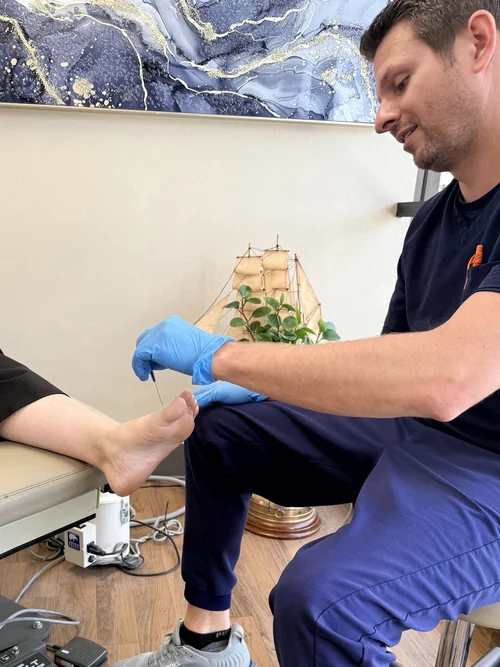
Diabetic foot problems can sometimes develop without significant pain or warning. Nerve damage may decrease your ability to feel injuries, while circulation problems can make it more difficult for wounds to heal.
At Salt Lake City Podiatry, Dr. Zak Oddone provides comprehensive diabetic foot care focused on prevention, early detection, wound management, and helping patients remain active and healthy.
Why Is Diabetic Foot Care Important?
Over time, diabetes can damage the nerves and blood vessels that supply the feet. This can lead to peripheral neuropathy, reduced circulation, changes in skin quality, and a greater risk of foot ulcers and infection.
Regular foot examinations can identify potential problems before they become serious and provide an opportunity to address pressure areas, calluses, shoe fit, circulation concerns, and changes in sensation.
Common Diabetic Foot Problems
- Numbness or tingling
- Burning or nerve pain
- Loss of protective sensation
- Dry or cracked skin
- Thick or painful toenails
- Corns and calluses
- Pressure areas
- Foot deformities
- Diabetic foot ulcers
- Slow-healing wounds
- Foot infections
- Circulation problems
Warning Signs You Should Not Ignore
Patients with diabetes should pay close attention to changes in their feet, particularly if they have neuropathy or poor circulation.
What Happens During a Diabetic Foot Exam?
A diabetic foot examination is designed to identify problems that may increase your risk of injury, ulceration, or infection.
Your examination may include:
- Evaluation of protective sensation
- Circulation assessment
- Skin examination
- Toenail evaluation
- Callus and pressure point assessment
- Foot structure evaluation
- Evaluation for deformities
- Shoe and footwear assessment
When medically appropriate, in-office digital X-ray imaging is available to help evaluate the bones and joints of the foot and assist with diagnosis and treatment planning.
Diabetic Neuropathy
Diabetic peripheral neuropathy can cause numbness, tingling, burning, or decreased sensation in the feet. Some patients may not feel a blister, cut, or pressure injury until the area has already become more serious.
Because of this decreased sensation, daily foot inspection and regular professional examinations are especially important for patients with diabetic neuropathy.
How Can I Protect My Feet at Home?
Daily foot care can significantly reduce the risk of preventable complications.
- Inspect your feet every day
- Check between your toes
- Wash and dry your feet carefully
- Moisturize dry skin
- Avoid lotion between the toes
- Wear properly fitting shoes
- Wear clean socks
- Avoid walking barefoot
- Do not cut corns or calluses yourself
- Report wounds or skin changes promptly
Diabetic Nail and Callus Care
Thick toenails and calluses can create pressure and increase the risk of skin breakdown in certain patients with diabetes, neuropathy, or circulation problems.
When medically appropriate, professional nail and callus care can help reduce pressure and allow the feet to be monitored for early signs of skin injury or other complications.
Diabetic Foot Wounds
Foot ulcers and other wounds should be evaluated promptly, particularly when diabetes, neuropathy, or poor circulation is present.
Treatment may include wound evaluation, debridement when appropriate, specialized dressings, infection management, pressure relief, offloading, and coordination with other medical specialists when necessary.
How Often Should Someone With Diabetes See a Podiatrist?
The appropriate schedule depends on your individual risk factors. Patients with neuropathy, previous ulcers, circulation problems, significant calluses, or foot deformities may benefit from more frequent examinations.
Dr. Oddone can recommend an appropriate follow-up schedule based on your medical history and foot examination.
Why Choose Salt Lake City Podiatry?
Dr. Zak Oddone provides personalized diabetic foot care focused on identifying risk factors early and preventing avoidable complications whenever possible.
Our office provides preventive diabetic foot examinations, wound care, pressure management, custom orthotics, and in-office digital X-ray imaging when medically appropriate.
Dr. Oddone is fluent in English and Spanish. Se habla español.
Frequently Asked Questions About Diabetic Foot Care
Why should people with diabetes see a podiatrist?
Diabetes can affect sensation, circulation, wound healing, and skin health. Regular podiatric examinations can help identify risk factors before they develop into more serious problems.
How often should I have a diabetic foot exam?
The appropriate frequency depends on your risk factors. Patients with neuropathy, poor circulation, previous ulcers, calluses, or foot deformities may need more frequent examinations.
What are the signs of diabetic neuropathy?
Symptoms may include numbness, tingling, burning, shooting pain, or decreased ability to feel temperature, pressure, or injury.
Why are foot wounds dangerous for people with diabetes?
Neuropathy may prevent you from feeling an injury, while circulation problems can slow healing. This combination can increase the risk of infection and other complications.
Should I walk barefoot if I have diabetes?
It is generally safer to avoid walking barefoot because small cuts, punctures, burns, or other injuries may go unnoticed, particularly when neuropathy is present.
Can a podiatrist treat diabetic foot ulcers?
Yes. Podiatrists commonly evaluate and treat diabetic foot wounds using methods such as debridement, specialized dressings, pressure relief, offloading, and infection management when appropriate.
What should I do if I find a blister or cut on my foot?
Monitor the area closely and seek medical evaluation if it is not healing normally or if you notice redness, swelling, warmth, drainage, discoloration, or other signs of infection.
Can diabetes cause numb feet?
Yes. Diabetes can damage peripheral nerves and lead to reduced sensation or numbness in the feet.
Can custom orthotics help patients with diabetes?
For some patients, custom orthotics can help redistribute pressure and reduce stress on high-pressure areas of the foot. Whether they are appropriate depends on the patient's foot structure and individual risk factors.
Does Medicare cover diabetic foot care?
Medicare may cover certain medically necessary diabetic foot services when specific eligibility requirements are met. Coverage depends on the patient's medical condition and the services being provided.
Schedule a Diabetic Foot Evaluation
If you have diabetes, neuropathy, circulation concerns, a foot wound, or changes in the health of your feet, schedule an evaluation at Salt Lake City Podiatry.
Salt Lake City Podiatry
1220 East 3900 South, Suite 4D
Salt Lake City, UT 84124
Phone: (801) 269-9939
